Professional in Oklahoma City
Professional Fence Installation in Oklahoma City | Wood, Vinyl, Chain Link & Ornamental Fencing
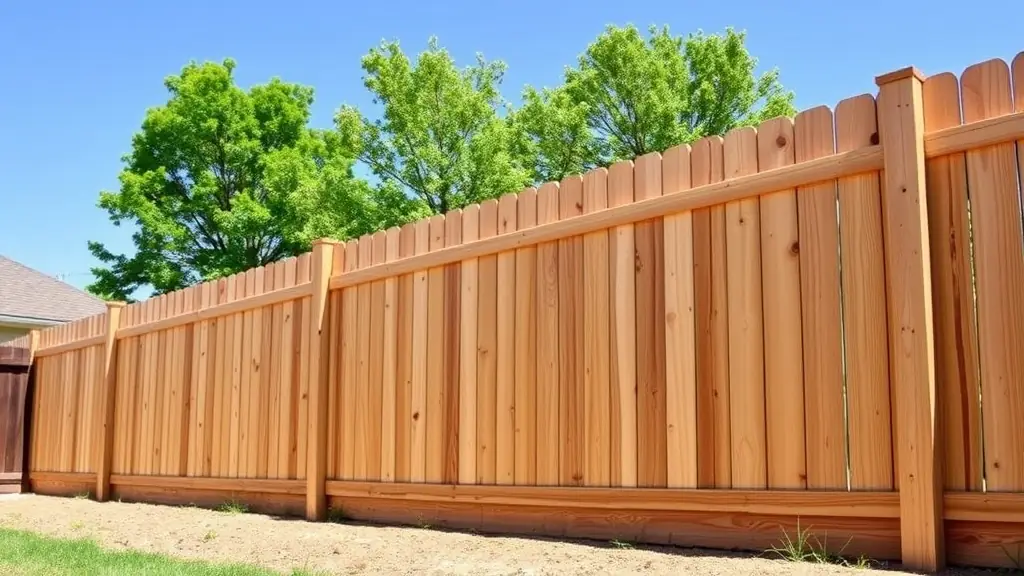
Expert Fence Installation for Oklahoma Properties
A quality fence does more than mark property boundaries—it provides privacy, security, curb appeal, and protection for children and pets. In Oklahoma, where high winds, intense sun, extreme temperature swings, and expansive clay soil create unique challenges, professional fence installation isn’t just recommended; it’s essential for long-lasting results.
Wilson and Sons Construction brings decades of Oklahoma fencing experience to every project. We understand how our region’s powerful spring storms test fence strength, how clay soil affects post stability, and how to build fences that withstand everything from tornadic winds to summer heat waves that can warp inferior materials.
Whether you need a privacy fence for your backyard, decorative fencing to enhance curb appeal, security fencing for commercial property, or livestock fencing for rural acreage, our team delivers professional results using quality materials, proper installation techniques, and Oklahoma-tested designs.
As a full-service construction company, we coordinate fence installation seamlessly with our other services. Need dirt work to level your fence line? We handle it. Installing a fence around your new patio or pool? We coordinate everything. Building on a new foundation that needs perimeter fencing? One contractor handles it all.
From residential privacy fences to commercial security installations, Wilson and Sons provides the expertise, materials, and local knowledge to deliver fencing that looks great and stands strong for decades.
Our Fencing Services
Wood Fencing
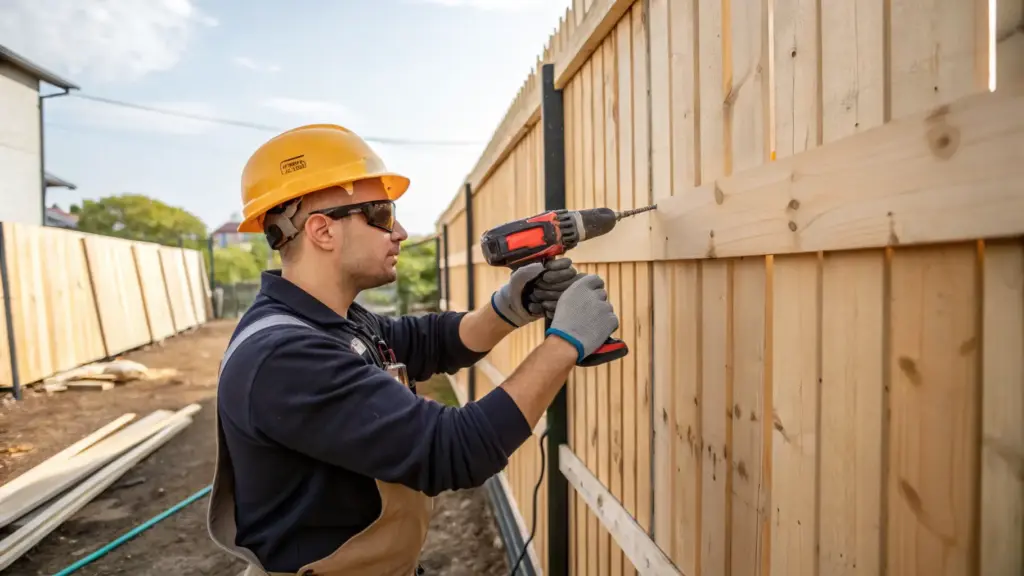
Wood fencing remains the most popular choice for Oklahoma homeowners—offering natural beauty, versatility, affordability, and excellent privacy. From classic picket fences to solid privacy screens, we install wood fencing built to withstand Oklahoma weather.
Wood Fence Styles:
Privacy Fences:
- Solid board-on-board construction
- No gaps between boards for complete privacy
- Typically 6 feet tall (most common residential height)
- Available in 8-foot heights (check local codes)
- Both sides finished or “good neighbor” design
Board-on-Board Fences:
- Overlapping vertical boards
- Attractive appearance on both sides
- Small gaps allow airflow (reduces wind load)
- Excellent privacy with better wind resistance than solid
Shadowbox Fences:
- Alternating boards on each side of rails
- Attractive from both sides
- Partial see-through effect
- Good airflow and privacy balance
Picket Fences:
- Traditional front yard fencing
- Decorative points or flat tops
- Various heights (3-4 feet typical)
- Classic curb appeal
Split Rail Fences:
- Rustic, open design
- Property boundary marking
- Livestock containment (with wire)
- Low maintenance
Horizontal Slat Fences:
- Modern, contemporary appearance
- Horizontal boards for distinctive look
- Popular in new construction
- Available in various gap spacing
Wood Types & Treatments:
Cedar:
- Naturally rot and insect resistant
- Beautiful reddish color that weathers to silver-gray
- No treatment required (though staining recommended)
- Premium appearance and longevity
- 15-20+ year lifespan untreated, 25-30+ with staining
- Higher cost but best long-term value
Pressure-Treated Pine:
- Chemical treatment resists rot and insects
- Most affordable wood option
- Can be stained or painted
- 15-20+ year lifespan with proper maintenance
- Greenish tint when new, weathers to gray
Spruce/Pine Untreated:
- Budget option for decorative fences
- Must be sealed/stained immediately
- Shorter lifespan (10-15 years with maintenance)
- Not recommended for privacy fences
Oklahoma Wood Fence Considerations:
Wind Resistance: Oklahoma wind gusts exceeding 60 mph require proper post depth (minimum 24-30 inches) and solid concrete setting. Board-on-board design with airflow gaps performs better than solid in high winds.
Sun Protection: Intense Oklahoma sun degrades wood quickly without protection. We recommend staining or sealing within 6 months of installation, then every 2-3 years.
Clay Soil Settlement: Posts must be set in concrete below clay layer (minimum 24 inches deep) to prevent frost heave and settling. We don’t use gravel-only post setting in Oklahoma clay.
Moisture Management: Posts should be set on gravel base below concrete to prevent water pooling and rot. We use proper drainage techniques for long post life.
Typical Wood Fence Timeline: 2-4 days for average residential fence (150-200 linear feet)
Investment Range: $20-$35 per linear foot for privacy fence, $15-$25 for picket fence, $10-$18 for split rail
Vinyl Fencing
Vinyl fencing offers maintenance-free beauty that never needs painting or staining. Modern vinyl fences resist fading, cracking, and warping while providing decades of service with minimal care.
Vinyl Fence Styles:
Privacy Fences:
- Solid tongue-and-groove design
- 6-foot height standard
- Various colors (white, tan, gray most popular)
- No see-through for complete privacy
Semi-Privacy Fences:
- Lattice top sections for air flow and light
- Decorative shadow boxes
- Good neighbor designs
Picket Fences:
- Traditional or contemporary styles
- Scalloped, straight, or concave top rails
- Various point styles
- 3-6 foot heights
Ranch Rail Fences:
- 2-4 horizontal rails
- Open design for property marking
- Clean, maintenance-free appearance
Ornamental Accent Fences:
- Decorative top treatments
- Mix of privacy and ornamental sections
- Custom configurations
Vinyl Fence Benefits:
Maintenance-Free: Never needs painting, staining, or sealing. Occasional washing with soap and water keeps vinyl looking new for decades.
Won’t Rot or Rust: Impervious to moisture, insects, and decay. No termite concerns like wood.
Color-Fast: Quality vinyl contains UV inhibitors that prevent fading. Today’s vinyl fences maintain color for 20+ years.
Durability: Impact-resistant and flexible—less prone to damage than wood. Won’t splinter, crack, or warp like wood can.
Warranty: Most manufacturers offer 20-30 year warranties on materials.
Oklahoma Vinyl Fence Considerations:
Wind Ratings: We install vinyl rated for Oklahoma wind conditions. Proper post spacing (maximum 8 feet), concrete setting, and wind-rated panels are essential.
Temperature Tolerance: Quality vinyl withstands Oklahoma’s temperature extremes (-10°F to 110°F+) without brittleness or warping. We use only UV-stabilized vinyl designed for our climate.
Expansion Allowance: Vinyl expands and contracts with temperature. Proper installation includes expansion gaps to prevent buckling in summer heat.
Color Choices: White remains most popular but fades least. Tan and gray options available but may show fading over time in intense Oklahoma sun.
Typical Vinyl Fence Timeline: 2-4 days for average residential fence
Investment Range: $25-$45 per linear foot depending on style and height
Chain Link Fencing
Chain link provides affordable, durable security and containment. Perfect for pet areas, pool enclosures, commercial properties, and security applications.
Chain Link Options:
Residential Chain Link:
- 4-6 foot heights
- Galvanized (silver) or vinyl-coated (black, green, brown)
- 2-inch or smaller mesh for pet containment
- Privacy slats available for screening
Commercial/Industrial Chain Link:
- 6-10 foot heights
- Heavy-duty framework
- Barbed wire or razor wire top options
- High-security applications
Pool Code Fencing:
- Self-closing, self-latching gates (required by code)
- Minimum 4-foot height
- Mesh small enough to prevent child climbing
- Meets all local pool codes
Temporary Fencing:
- Construction site security
- Event fencing and crowd control
- Rental or purchase options
Chain Link Features:
Galvanized vs. Vinyl-Coated:
- Galvanized: Most affordable, silver appearance, 15-20 year lifespan
- Vinyl-Coated: Better appearance, color options, 20-25 year lifespan, costs 20-30% more
Privacy Slats:
- Insert into mesh for privacy and wind screening
- Various colors to match or accent
- Reduces see-through by 90%+
- Adds minimal cost
Gate Options:
- Walk gates (3-4 feet wide)
- Double drive gates (10-16 feet)
- Rolling gates for commercial
- Self-closing springs for pool code compliance
Oklahoma Chain Link Considerations:
Wind Resistance: Chain link excels in Oklahoma wind—open mesh allows wind passage without creating pressure. Properly set posts withstand even tornadic winds.
Rust Prevention: We use galvanized framework and chain link. For areas near sprinklers or standing water, vinyl-coated provides extra rust protection.
Post Depth: Minimum 30 inches deep in concrete for Oklahoma clay soil and wind conditions.
Typical Chain Link Timeline: 1-3 days for average residential fence
Investment Range: $10-$20 per linear foot for residential, $15-$30 for commercial/high-security
Ornamental Iron & Aluminum Fencing
Ornamental metal fencing combines security with elegance. Modern aluminum fences offer the look of wrought iron without rust concerns, while powder-coated finishes provide decades of beauty.
Ornamental Fence Styles:
Aluminum Ornamental:
- Classic wrought iron appearance without rust
- Multiple heights (3-6 feet residential, 6-8 feet commercial)
- Various styles: traditional spear top, modern flat top, decorative finials
- Powder-coated finish (black most popular, also bronze, white, gray)
- Maintenance-free—won’t rust or need painting
- 30-50 year lifespan
Steel Ornamental:
- Authentic wrought iron look and feel
- Maximum security and strength
- Requires periodic painting to prevent rust
- Higher cost than aluminum
- Popular for commercial and historic properties
Ornamental Fence Benefits:
Security with Visibility: Metal fencing provides security without blocking visibility—perfect for front yards, pools, and commercial properties.
Low Maintenance: Aluminum requires no painting or rust treatment. Occasional washing keeps it looking new.
Curb Appeal: Elegant appearance increases property value—popular for upscale neighborhoods and commercial properties.
Pool Code Compliant: Meets pool code requirements with self-closing gates and proper spacing.
Customization: Available in multiple heights, styles, colors, and decorative options.
Oklahoma Ornamental Fence Considerations:
Wind Performance: Open design allows wind passage. Properly installed ornamental fencing withstands Oklahoma wind well.
No Rust Concerns: Aluminum won’t rust even in Oklahoma’s humid conditions. For steel fencing, powder coating protects against rust but requires occasional inspection.
Professional Installation Required: Metal fencing requires precise post setting and panel alignment—DIY installation rarely produces professional results.
Typical Ornamental Fence Timeline: 2-4 days for average residential fence
Investment Range: $30-$60 per linear foot for aluminum, $40-$80+ for steel
Farm & Ranch Fencing
Rural properties require specialized fencing for livestock containment, property marking, and security. We install fencing designed for Oklahoma farm and ranch applications.
Farm Fence Options:
Barbed Wire Fencing:
- Traditional livestock containment
- 4-5 strands typical
- Steel or wood posts
- Most affordable option
- Effective for cattle, horses
High-Tensile Wire:
- Smooth wire under tension
- Safer for horses than barbed wire
- Requires specialized tensioning
- Long spans between posts
- Lower maintenance than barbed wire
Woven Wire/Field Fence:
- Grid pattern wire for small animal containment
- Various heights and mesh spacing
- Ideal for goats, sheep, pigs
- Can combine with barbed wire top strand
Electric Fencing:
- Temporary or permanent installation
- Psychological barrier for livestock
- Portable for rotational grazing
- Lower cost than traditional fencing
Board Fencing:
- Classic ranch appearance
- 3-4 rail wood construction
- Popular for horse properties
- Requires regular maintenance
Pipe/Cattle Panel Fencing:
- Galvanized steel construction
- Virtually maintenance-free
- Excellent durability
- Higher upfront cost, lowest lifetime cost
Oklahoma Farm Fence Considerations:
Post Spacing: Typically 8-12 feet for most farm fencing. Closer spacing in corners and gates for extra strength.
Corner Bracing: Oklahoma wind and livestock pressure require proper corner bracing. We use H-braces or other engineered systems.
Gate Locations: Proper gate placement improves livestock management and reduces fence stress.
Terrain Adaptation: Oklahoma terrain varies from flat to rolling. We adapt fence design to terrain while maintaining proper height.
Typical Farm Fence Timeline: Varies by acreage and fence type
Investment Range: $2-$5 per linear foot for barbed wire, $4-$8 for woven wire, $8-$15 for board fencing
Commercial & Security Fencing
Businesses need fencing that provides security, meets code requirements, and enhances property appearance. We install commercial fencing for all applications.
Commercial Fence Types:
Chain Link Security Fencing:
- 6-10 foot heights
- Heavy-duty posts and framework
- Barbed wire or razor wire tops
- Access control integration
- High-security mesh options
Ornamental Security Fencing:
- Professional appearance with security
- Spear-top designs deter climbing
- Various heights and styles
- ADA-compliant gate options
Privacy Screening:
- Wood or vinyl for dumpster enclosures
- Rooftop equipment screening
- Loading dock privacy
- Custom height and design
Perimeter Fencing:
- Large property boundary marking
- Combination styles for function and appearance
- Automated gate systems
- Security integration points
Pool and Recreation Fencing:
- Code-compliant pool enclosures
- Playground fencing
- Tennis court fencing
- Athletic field fencing
Typical Commercial Timeline: Varies by project scope
Investment Range: Request custom quote for commercial projects
The Fence Installation Process
Step 1: Free Estimate & Consultation (1 Hour)
We begin every project by visiting your property to assess conditions and understand your needs.
What We Evaluate:
Property Assessment:
- Measure fence line precisely
- Identify property corners and boundaries (recommend survey if unclear)
- Note elevation changes and terrain challenges
- Identify obstacles (trees, utilities, structures)
- Assess soil conditions
Purpose & Requirements:
- Privacy, security, pet containment, or decorative goals
- HOA requirements and restrictions
- City/county codes and setback requirements
- Gate locations and sizes needed
- Special features (arbors, lighting, etc.)
Material Recommendations:
- Style options that meet your needs
- Material comparisons (wood, vinyl, chain link, metal)
- Color and finish options
- Durability and maintenance considerations
What You Receive:
- Detailed written estimate with line-item pricing
- Material specifications and options
- Timeline expectations
- HOA/permit information
- Recommendations based on your goals and budget
Typical Turnaround: 2-5 days for estimates
Step 2: Planning & Preparation (1-2 Weeks)
Once you approve the estimate, we prepare for installation.
Planning Activities:
Utility Location:
- Call 811 for underground utility marking (required by law)
- Wait 2-3 days for utility companies to mark lines
- Plan fence line to avoid utility conflicts
- Adjust gate locations if needed
Permits & HOA Approval:
- Obtain building permits if required
- Submit plans to HOA for approval
- Verify setback compliance
- Ensure code compliance (height, materials, etc.)
Material Ordering:
- Order fence materials to spec
- Schedule delivery to coordinate with installation
- Verify all materials match estimate
- Inspect materials on delivery
Site Preparation:
- Mark fence line with string and stakes
- Identify and mark post locations
- Plan for terrain challenges
- Schedule crew and equipment
Step 3: Installation (2-5 Days Typical)
With planning complete, our experienced crew installs your fence.
Day 1: Post Installation
Post Hole Excavation:
- Dig holes to proper depth (minimum 24-30 inches in Oklahoma)
- Deeper for corners and gates (up to 36 inches)
- Wider diameter for stability (typically 8-12 inches)
- Use auger or post hole digger depending on access
Post Setting:
- Place gravel base in hole (4-6 inches for drainage)
- Set post at proper height and plumb (perfectly vertical)
- Brace post in position
- Add concrete mix and water
- Tamp and consolidate concrete
- Recheck plumb and adjust if needed
- Allow concrete to cure (24 hours minimum before rails)
Post Material by Fence Type:
- Wood fence: 4×4 pressure-treated posts
- Vinyl fence: Aluminum posts in vinyl sleeves or vinyl posts filled with concrete
- Chain link: Galvanized steel line posts, heavier corner/gate posts
- Ornamental: Aluminum or steel posts depending on fence type
Day 2-3: Rails, Panels, and Fabric
Wood Fences:
- Install horizontal rails (typically 2×4 lumber)
- Attach vertical boards/pickets
- Maintain consistent spacing
- Check level continuously
- Install decorative caps if included
Vinyl Fences:
- Slide rails into post channels
- Install vinyl panels or pickets
- Lock panels into place
- Add post caps
- Allow for expansion gaps
Chain Link:
- Install top rail through posts
- Attach chain link fabric to corner/end posts
- Stretch fabric tight along line
- Secure to line posts with ties
- Install bottom tension wire if specified
- Add privacy slats if included
Ornamental:
- Install panels between posts
- Secure with brackets or welding
- Ensure vertical and level alignment
- Add decorative finials or caps
- Touch up powder coating if needed
Day 3-4: Gates and Final Details
Gate Installation:
- Install gate posts with extra concrete
- Hang gates with heavy-duty hinges
- Install latches and hardware
- Adjust for smooth operation
- Add self-closers if required (pool code)
- Test operation repeatedly
Final Details:
- Install post caps on all posts
- Check and tighten all hardware
- Touch up any scratches or marks
- Clean up all debris and excess materials
- Final level and alignment check
Day 4-5: Cleanup and Walkthrough
Site Cleanup:
- Remove all excess materials
- Fill any low spots from digging
- Rake and level disturbed areas
- Haul away all debris and packaging
- Clean any concrete spills on driveways/sidewalks
Customer Walkthrough:
- Walk fence line with customer
- Demonstrate gate operation
- Provide maintenance instructions
- Address any final concerns
- Review warranty information
Oklahoma-Specific Fencing Challenges
High Wind Conditions
Oklahoma’s location in “Tornado Alley” creates extreme wind conditions that test fence durability.
The Challenge:
- Spring storms bring winds 60-80 mph regularly
- Tornado warnings common March-June
- Sustained winds can topple poorly installed fences
- Solid fences create enormous wind load (sail effect)
Our Solutions:
Proper Post Depth: We dig post holes minimum 24-30 inches deep (30-36 for corners and gates) and set all posts in concrete. Oklahoma clay soil alone won’t hold posts in high wind.
Concrete Setting: Every post is set in concrete—no gravel-only installations. Concrete cures 7 days for maximum strength before fence completion.
Board-on-Board Design: For wood privacy fences, board-on-board with small gaps allows air flow and reduces wind load compared to solid board fences.
Wind-Rated Materials: We use vinyl fence panels rated for Oklahoma wind loads and proper post spacing (maximum 8 feet on center).
Strategic Design: For very exposed locations, we may recommend lower fence heights or open designs that reduce wind resistance.
Expansive Clay Soil
Oklahoma’s expansive clay soil affects fence stability through seasonal moisture cycles.
The Challenge:
- Clay swells when wet (up to 10% volume increase)
- Clay shrinks when dry, creating voids around posts
- Freeze-thaw cycles can heave posts upward
- Poor drainage around posts accelerates rot
Our Solutions:
Below Clay Setting: Posts extend below unstable topsoil into more stable subsoil (minimum 24 inches, often 30 inches in clay).
Concrete Encasement: Complete concrete encasement from bottom of hole to grade level prevents soil contact and movement effects.
Gravel Base: 4-6 inches of gravel below concrete provides drainage and prevents water pooling at post bottom.
Proper Drainage: We slope ground away from posts where possible to prevent water accumulation.
Post Material Selection: Pressure-treated or cedar posts resist rot from soil moisture contact.
Extreme Temperature Swings
Oklahoma experiences dramatic temperature ranges that affect fence materials.
The Challenge:
- Temperature swings from -10°F winter to 110°F+ summer
- Wood expands and contracts with moisture/temperature
- Vinyl expands/contracts with temperature
- Metal conducts heat and cold
- Fasteners can loosen with expansion/contraction
Our Solutions:
Expansion Gaps: Vinyl fence installation includes proper expansion gaps to prevent buckling in summer heat.
Proper Fastening: We use appropriate fasteners that allow slight movement without backing out or loosening.
Material Selection: We recommend materials suited for Oklahoma climate—UV-stabilized vinyl, treated lumber, powder-coated metal.
Installation Timing: We account for temperature at installation—vinyl installed in winter may need different gap spacing than summer installation.
UV Exposure & Weathering
Oklahoma’s intense summer sun and 250+ sunny days per year accelerate material deterioration.
The Challenge:
- Untreated wood grays and deteriorates
- Paint and stain fade and peel
- Inferior vinyl becomes brittle and fades
- UV breaks down molecular bonds in materials
Our Solutions:
Quality Materials: We use UV-stabilized vinyl, treated lumber, and quality stains/sealers designed for high-UV environments.
Stain/Seal Recommendations: For wood fences, we recommend staining/sealing within 6 months of installation, then every 2-3 years.
Proper Material Selection: Cedar naturally resists UV better than pine. Quality vinyl includes UV inhibitors that prevent fading and brittleness.
Fence Maintenance & Care
Wood Fence Maintenance
Initial Sealing (Critical):
- Wait 3-6 months after installation for wood to weather
- Apply quality stain or sealer
- Covers all surfaces including board edges
- Protects against moisture and UV damage
Ongoing Maintenance:
- Inspect annually for loose boards, nails, damage
- Restain every 2-3 years (varies by product and exposure)
- Replace damaged boards as needed
- Keep vegetation trimmed away from fence
- Ensure sprinklers don’t constantly wet fence
Expected Lifespan:
- Cedar with regular staining: 25-30 years
- Pressure-treated pine with regular staining: 20-25 years
- Untreated or poorly maintained: 10-15 years
Vinyl Fence Maintenance
Routine Care:
- Wash with soap and water annually
- Remove mildew with vinyl cleaner
- Rinse thoroughly after cleaning
- Avoid pressure washing (can damage)
Inspection:
- Check gates and hardware annually
- Tighten any loose screws
- Lubricate hinges and latches
- Verify panels are secure in posts
Expected Lifespan:
- Quality vinyl fence: 30-50+ years
- Minimal maintenance throughout life
Chain Link Maintenance
Routine Care:
- Inspect fabric for damage or rust
- Tighten any loose ties or hardware
- Touch up rust spots with galvanizing paint
- Lubricate gates and latches
Long-Term:
- Replace damaged sections as needed
- Recoat framework if rust develops
- Replace worn gate hardware
Expected Lifespan:
- Galvanized chain link: 15-20 years
- Vinyl-coated chain link: 20-25 years
Ornamental Metal Maintenance
Aluminum (Powder-Coated):
- Wash with soap and water annually
- No painting or coating needed
- Check and tighten hardware
- Touch up any scratches with touch-up paint
Steel:
- Inspect for rust annually
- Touch up damaged powder coating immediately
- May require repainting every 5-10 years
- Lubricate gates and hinges
Expected Lifespan:
- Aluminum: 30-50+ years
- Steel (well-maintained): 30-50 years
Frequently Asked Questions
Fence costs vary by material, style, height, and site conditions. Here are typical ranges for the Oklahoma City metro:
Wood Fencing:
- 6′ privacy fence: $20-$35 per linear foot
- Picket fence: $15-$25 per linear foot
- Split rail: $10-$18 per linear foot
Vinyl Fencing:
- Privacy fence: $25-$45 per linear foot
- Picket fence: $20-$35 per linear foot
Chain Link:
- Residential (4-6′): $10-$20 per linear foot
- Commercial: $15-$30 per linear foot
Ornamental Metal:
- Aluminum: $30-$60 per linear foot
- Steel: $40-$80+ per linear foot
Gates add $300-$1,500+ depending on size and type.
What Affects Price:
- Linear footage (longer fences = lower per-foot cost)
- Height (6′ vs. 8′ privacy fence)
- Material quality and style
- Terrain and access challenges
- Gates and special features
- Removal of existing fence
We provide detailed estimates with transparent, line-item pricing.
Expected Lifespan with Proper Installation & Maintenance:
Wood Fencing:
- Cedar (stained regularly): 25-30 years
- Pressure-treated pine (stained): 20-25 years
- Untreated or poorly maintained: 10-15 years
Vinyl Fencing: 30-50+ years
Chain Link:
- Galvanized: 15-20 years
- Vinyl-coated: 20-25 years
Ornamental Metal:
- Aluminum: 30-50+ years
- Steel (maintained): 30-50 years
Farm Fencing:
- Barbed wire: 15-25 years
- Woven wire: 15-20 years
- Board fencing: 15-25 years
Oklahoma’s extreme weather (wind, sun, temperature swings) makes proper installation and maintenance critical for achieving these lifespans.
It Depends on Location:
Usually Requires Permit:
- Fences over 6 feet tall
- Fences in front yard
- Corner lots (additional visibility restrictions)
- Properties in historic districts
Usually Doesn’t Require Permit:
- Standard 6-foot privacy fence in backyard
- Fences under 6 feet
- Rural areas outside city limits (may still have restrictions)
Always Check Local Codes:
- Oklahoma City, Edmond, Norman, and other municipalities have different requirements
- HOA rules often more restrictive than city codes
- Property line setbacks vary by location
We Handle Permits: When permits are required, we obtain them, pay fees, and ensure code compliance. We’re familiar with all local requirements and HOA processes.
Typical Requirements:
- Most jurisdictions allow fences directly on property line
- Some require 6-12 inch setback from line
- Corner lot visibility requirements may require 15-25 foot setbacks
- Easements may restrict fence placement
Best Practices:
Survey Recommended: If property corners aren’t clearly marked, professional survey prevents disputes with neighbors.
Neighbor Communication: Even if legally allowed on line, discussing with neighbors prevents conflicts.
Easement Awareness: Utility easements, drainage easements, and right-of-way restrictions may limit fence placement regardless of property line.
HOA Rules: Homeowner associations often have specific setback requirements beyond city codes.
We help navigate these requirements during the estimate process and recommend survey if boundaries are unclear.
Both perform well when properly installed. The “better” choice depends on priorities:
Choose Wood If:
- You prefer natural appearance
- Lower upfront cost is priority
- You’re willing to maintain (stain every 2-3 years)
- You want cedar’s natural rot resistance
- Budget allows cedar for best long-term value
Choose Vinyl If:
- Maintenance-free is priority
- You want longest possible lifespan (30-50+ years)
- Clean, uniform appearance desired
- You don’t want to stain/seal every few years
- Higher upfront cost acceptable for lower lifetime cost
Oklahoma Weather Considerations:
Wood: Cedar performs excellently in Oklahoma with proper staining. Pressure-treated pine also good with maintenance. Both withstand wind, temperature, and weather well.
Vinyl: Modern vinyl handles Oklahoma’s temperature extremes (-10°F to 110°F+) without brittleness. UV-stabilized vinyl resists fading in intense sun. Wind-rated panels withstand Oklahoma storms.
Our Recommendation: Cedar for natural beauty and good value, vinyl for absolute minimum maintenance. Both last 20-30+ years with proper installation.
Minimum Depths for Oklahoma:
Standard Line Posts:
- Minimum 24 inches deep
- 30 inches preferred in clay soil areas
- Below frost line (18 inches in Oklahoma)
Corner and Gate Posts:
- Minimum 30 inches deep
- 36 inches preferred for extra stability
- Larger diameter holes (10-12 inches)
Why Depth Matters in Oklahoma:
Clay Soil Movement: Shallow posts heave out of unstable clay. Deep posts anchor below seasonal movement zone.
Wind Loads: Oklahoma wind creates enormous pressure on fences. Proper depth prevents wind from tipping posts.
Frost Heave: While Oklahoma has mild winters, frost can still heave shallow posts. Minimum 18 inches (our frost line depth) prevents this.
Concrete Setting: All posts set in concrete from bottom of hole to grade level—no gravel-only installations in Oklahoma.
Technically Yes, But Consider:
DIY Challenges:
- Maintaining straight fence line over distance
- Keeping posts perfectly plumb (vertical)
- Proper post depth and concrete setting
- Gate installation and alignment (most difficult part)
- Terrain challenges and elevation changes
- Tool and equipment requirements (auger, level, etc.)
- Physical demands (digging 30-50 post holes)
Professional Advantages:
- Experience maintaining alignment and appearance
- Proper tools and equipment
- Understanding of local codes and requirements
- Warranty on materials and installation
- Completed in days instead of weeks
- No tool purchases or rentals needed
Our Recommendation: Simple split rail or small sections possible for skilled DIYers. Privacy fences, vinyl, chain link, and ornamental best left to professionals. Poor DIY installation often costs more to fix than professional installation would have cost initially.
Privacy Fence (Wood or Vinyl):
- No see-through prevents reactive barking
- Height (6 feet) prevents jumping
- Solid construction prevents squeezing through
- Most popular choice for dog owners
Chain Link with Privacy Slats:
- Affordable option with privacy
- Durable against dog pressure
- Can’t be chewed or damaged like wood
- 2-inch or smaller mesh prevents escape
Ornamental Aluminum:
- Doesn’t block view
- Spacing small enough to prevent escape (typically 4 inches)
- Can’t be chewed or damaged
- Pool-style design with smaller gaps at bottom
Important Features:
No Climbing Aids: Horizontal rails on dog side create climbing aids. Board-on-board or picket designs better than shadowbox.
Secure Bottom: Diggers need concrete footer, gravel trench, or hardware cloth buried along fence line.
Proper Height: 6 feet minimum for large or athletic dogs. Some breeds require 8 feet.
Strong Gates: Double-latch systems prevent clever dogs from opening gates.
Smooth Edges: No sharp points or edges that can injure dogs.
Service Areas
Wilson and Sons Construction proudly serves property owners throughout the Oklahoma City metro area:
Primary Service Areas: Oklahoma City | Edmond | Norman | Moore | Midwest City | Yukon | Mustang | Del City
Extended Service Areas: We also serve communities within a 25-mile radius of Oklahoma City. For farm and ranch fencing, we can often accommodate rural properties beyond our standard service area.
Ready to Install Your New Fence?
Whether you need privacy fencing for your backyard, decorative fencing for curb appeal, security fencing for your business, or farm fencing for rural property, Wilson and Sons Construction delivers quality installation built to withstand Oklahoma weather.
Get Your Free Fence Estimate Today:
- Call: [PHONE]
We’ll visit your property, discuss your needs, and provide a detailed estimate with transparent pricing and realistic timelines.
Licensed | Insured | Locally Owned | 77+ Five-Star Reviews
Wilson and Sons Construction—Your trusted partner for fence installation in Oklahoma City and surrounding communities. Quality fencing that provides privacy, security, and curb appeal for decades.
