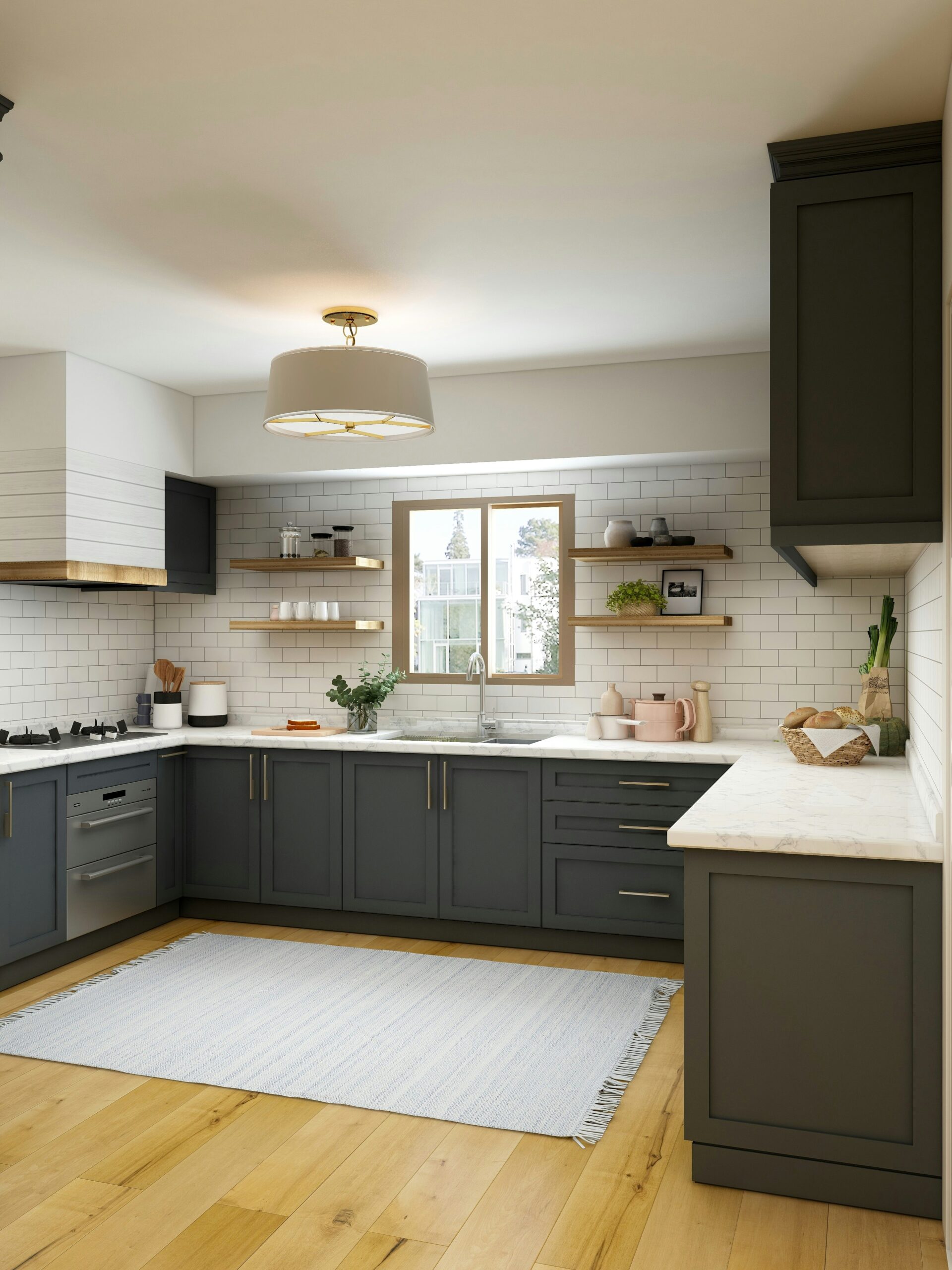
Planning a kitchen remodel is exciting—and overwhelming. Between design decisions, budget concerns, and daily life disruptions, homeowners face dozens of questions. Two of the most common: “How long will this take?” and “What will it actually cost?”
This comprehensive guide provides realistic expectations for kitchen remodeling timelines and costs specific to Oklahoma City, helping you plan effectively and avoid common pitfalls.
Average Kitchen Remodel Timeline
Minor refresh (cosmetic updates): 2-3 weeks Mid-range remodel (cabinets, countertops, flooring): 4-6 weeks Major remodel (layout changes, all new everything): 6-8 weeks Full gut and rebuild: 8-12 weeks
These timelines assume:
- Normal material availability
- No major permit delays
- No significant unexpected issues
- Professional contractor coordination
- Homeowner decisions made on schedule
Phase-by-Phase Timeline Breakdown
Week 1: Demolition and Rough-In (3-5 Days)
Day 1-2: Demo
- Remove cabinets, countertops, appliances
- Pull old flooring
- Remove unnecessary walls (if layout changing)
- Haul away debris
Prepare temporary kitchen: Before demo starts, set up temporary kitchen in another room:
- Microwave and toaster oven
- Coffee maker
- Paper plates and disposable utensils
- Mini fridge if space allows
- Access to bathroom sink
Day 3-5: Rough-in work
- Plumbing modifications
- Electrical updates and new circuits
- HVAC adjustments if needed
- Framing for new layout
- Inspection (if structural changes)
Living situation: Kitchen completely unusable. Expect to eat out frequently or use grill/microwave meals.
Week 2-3: Walls, Ceiling, and Flooring (7-10 Days)
Drywall and ceiling work:
- Hang and tape drywall (3-4 days)
- Texture and paint (2-3 days)
- Ceiling work and lighting installation
Flooring installation:
- Subfloor repair if needed
- Underlayment installation
- Flooring installation (1-3 days depending on type)
- Baseboards and trim
Note: Some contractors install flooring after cabinets; timing varies by preference and flooring type.
Week 3-4: Cabinet Installation (5-7 Days)
Cabinet delivery and preparation:
- Cabinets arrive (verify order completeness immediately)
- Inspect for damage
- Begin installation
Installation process:
- Wall cabinets first (easier without base cabinets)
- Base cabinets next
- Level and secure all units
- Install crown molding, light rail, and decorative elements
- Hardware installation
Living situation: Still no functional kitchen, but progress visible. Light at end of tunnel appears.
Week 4-5: Countertop Templating and Installation (3-7 Days)
Templating (after cabinets installed):
- Fabricator creates template of exact cabinet configuration
- Review template and approve
- Fabrication time: 3-7 days (varies by material and shop)
Installation day:
- Morning: Remove existing counters if any remain
- Install new countertops (2-6 hours)
- Cut sink and cooktop openings
- Seal seams and edges
- Install undermount sink
Material-specific timelines:
- Laminate: 1-3 days from template to install
- Quartz/Granite: 5-7 days typical
- Exotic materials: 7-14 days possible
This is a critical-path item: Cabinet install → template → fabrication → install. No way to speed this up significantly.
Week 5-6: Backsplash and Final Installations (5-7 Days)
Backsplash installation:
- Tile backsplash: 1-3 days (including grout cure time)
- Simple subway tile: 1-2 days
- Complex mosaic or pattern: 2-3 days
Appliance installation:
- Electrician and plumber coordinate (1-2 days)
- Install dishwasher, range, microwave, vent hood
- Connect gas lines if applicable
- Test all appliances
Plumbing fixtures:
- Install sink faucet
- Connect disposal
- Install any pot fillers or prep sink fixtures
Light fixtures:
- Install pendant lights over island
- Under-cabinet lighting
- Recessed can lights
- Dimmer switches
Week 6-7: Final Details and Punchlist (2-4 Days)
Finishing touches:
- Install cabinet hardware (pulls and knobs)
- Touch up paint
- Caulk seams and gaps
- Install outlet and switch covers
- Final cleaning
Inspection and walkthrough:
- Walk through with contractor
- Create punchlist of any final items
- Address remaining items
- Final payment (typically held until completion)
Living situation: Kitchen functional again! First home-cooked meal in 6-8 weeks tastes amazing.
Common Delays and How to Avoid Them
Material Delays (Adds 2-6 Weeks)
Cabinet delays: Most common issue. Custom cabinets take 6-8 weeks; semi-custom take 4-6 weeks. Order early!
Appliance backorders: Specific models may have 4-8 week waits. Have backup options ready.
Countertop fabrication: Shops with high demand may have 2-3 week waits beyond fabrication time.
Solution: Order all materials as early as possible. Confirm arrival dates before demo starts.
Permit Delays (Adds 1-4 Weeks)
Building permits: Required for structural changes, major electrical, plumbing moves. Approval takes 1-3 weeks in Oklahoma City (faster in some suburbs).
Inspection scheduling: Building inspectors may have 3-5 day backlog during busy seasons.
Solution: Apply for permits early. Don’t start work requiring permits until approved.
Unexpected Issues (Adds 1-3 Weeks)
Hidden problems discovered during demo:
- Rotted subfloor (common if dishwasher leaked)
- Outdated electrical not up to code
- Plumbing issues
- Structural surprises
Solution: Budget 10-15% contingency for unknowns. Expect at least one surprise in older homes.
Decision Delays (Adds Days to Weeks)
Homeowner indecision on selections:
- Tile choices not made
- Paint colors undecided
- Hardware not selected
Solution: Make all selections before demo. Once work starts, delays are expensive.
Cost Breakdown: What Will Your Remodel Cost?
Budget Kitchen Refresh: $15,000-$25,000
What you get:
- Cabinet refacing or painting (not replacement)
- Laminate countertops
- Vinyl plank or laminate flooring
- Backsplash (simple tile)
- Budget appliances (if needed)
- Basic sink and faucet
- Fresh paint
Best for: Cosmetic updates, rental properties, homes to be sold soon
Mid-Range Remodel: $35,000-$55,000
What you get:
- Semi-custom or stock cabinets (new)
- Quartz or mid-range granite countertops
- Tile or quality LVP flooring
- Tile backsplash (standard installation)
- Mid-range appliances
- Undermount sink, quality faucet
- Updated lighting
- Professional installation throughout
Best for: Most Oklahoma City homeowners, good value-to-quality ratio
Upscale Remodel: $65,000-$100,000+
What you get:
- Custom or high-end semi-custom cabinets
- Premium quartz, granite, or exotic countertops
- Hardwood, luxury tile, or premium LVP flooring
- Designer backsplash (glass, stone, custom)
- High-end or professional-grade appliances
- Custom lighting, pot fillers, prep sinks
- Structural changes (wall removal, additions)
- Crown molding, decorative elements
- Smart home integration
Best for: Forever homes, luxury properties, homeowners prioritizing quality
Detailed Cost Breakdown by Component
Cabinets (40-50% of Budget)
Stock cabinets: $3,000-$8,000 for average kitchen Semi-custom cabinets: $8,000-$18,000 Custom cabinets: $18,000-$35,000+
Factors affecting cost:
- Cabinet box construction (plywood vs. particleboard)
- Door style and finish
- Hardware quality
- Specialty features (pull-outs, soft-close, organizers)
- Linear footage needed
Countertops (10-15% of Budget)
Laminate: $1,500-$3,000 (average kitchen) Quartz: $3,500-$6,500 Granite: $3,000-$6,000 Marble: $5,000-$10,000+
Per square foot installed:
- Laminate: $20-$40
- Quartz: $60-$100
- Granite: $50-$90
- Marble: $75-$150+
Appliances (15-20% of Budget)
Budget package: $2,500-$4,000 (all major appliances) Mid-range package: $5,000-$8,000 Luxury package: $10,000-$20,000+
Package typically includes:
- Refrigerator
- Range or cooktop + wall ovens
- Dishwasher
- Microwave
- Vent hood
Flooring (5-10% of Budget)
Vinyl plank: $1,500-$3,000 for average kitchen Tile: $2,000-$4,500 Hardwood: $3,500-$6,000+
Per square foot installed:
- Vinyl plank: $5-$8
- Ceramic/porcelain tile: $8-$15
- Hardwood: $12-$20+
Labor and Installation (20-30% of Budget)
Mid-range remodel: $8,000-$15,000 for professional installation
Included:
- Demolition and disposal
- Plumbing work
- Electrical work
- Drywall and painting
- Cabinet installation
- Countertop installation
- Flooring installation
- Tile work
- Fixture installation
- Project management
Ways to Save Money Without Sacrificing Quality
Smart Budget Strategies
Keep existing layout: Moving plumbing and electrical adds $3,000-$8,000. Same footprint saves significantly.
Reface vs. replace cabinets: If cabinet boxes are solid, refacing ($5,000-$10,000) beats replacing ($15,000-$30,000).
Mix high and low: Splurge on countertops (most visible), save on flooring under island.
Stock vs. custom cabinets: Stock cabinets from major manufacturers offer 80% of quality for 50% of custom cost.
Do some work yourself: Demo, painting, or hardware installation DIY saves $1,000-$3,000.
Shop sales: Appliance packages during holiday sales save 20-30%.
False Economy (Don’t Skimp Here)
Cheap cabinets: Particleboard boxes fall apart. Invest in quality—you touch cabinets daily.
Bargain appliances: Unknown brands lack parts and service availability.
DIY plumbing/electrical: Mistakes costly and dangerous. Hire licensed professionals.
Skipping permits: Unpermitted work creates issues at sale and insurance claim denial.
Living Through a Kitchen Remodel
Temporary Kitchen Setup
Essential equipment:
- Microwave (most important)
- Toaster oven or electric griddle
- Coffee maker
- Slow cooker or Instant Pot
- Portable cooktop (if space allows)
- Mini fridge (if possible)
- Paper products (plates, cups, utensils)
Location: Dining room, garage, or basement with access to water and electrical outlets.
Meal Planning Strategies
Week 1-2 (demo/rough-in): Expect to eat out or order in frequently. Budget $500-$800 for two weeks.
Week 3-6 (construction): Utilize temporary kitchen more. Microwave meals, slow cooker dinners, grilling.
Breakfast: Cereal, toast, fruit, yogurt (easy in temporary setup) Lunch: Sandwiches, salads, leftovers Dinner: Crock pot meals, grilled food, microwave dinners, takeout
Dust and Disruption Management
Protect your home:
- Plastic sheeting over doorways (tape securely)
- Cover vents to other rooms
- Move furniture and valuables away from kitchen
- Expect dust everywhere despite precautions
Daily cleanup: Contractors should clean daily, but dust migrates. Vacuum other rooms frequently.
Pets and children: Consider alternative arrangements during messy phases if possible.
Choosing the Right Contractor
Red Flags to Avoid
- Lowest bid by significant margin (25%+ below others)
- No written contract or vague contracts
- Upfront payment requests exceeding 10-20%
- No local references
- Pressure to decide immediately
- “Trust me” instead of documentation
Green Flags to Seek
- Detailed written contract with payment schedule
- Local references you can visit
- Proper licensing and insurance
- Clear communication and responsiveness
- Realistic timeline estimates
- Itemized costs
- Warranty information