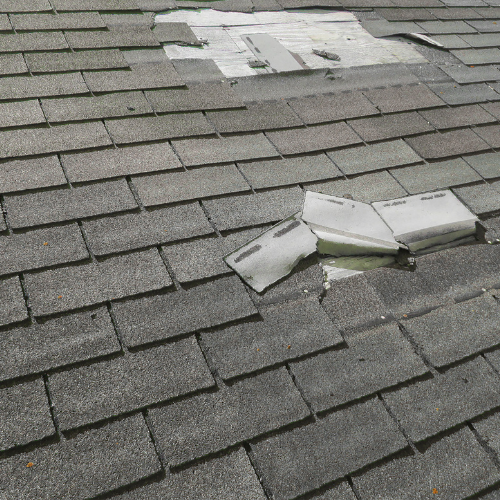
Spring in Oklahoma brings beautiful weather—and severe storms. With the state ranking among the top five for hail damage and tornado activity, preparing your home before storm season isn’t optional; it’s essential. This comprehensive guide will help you protect your property and ensure your home can withstand whatever Mother Nature throws at it.
Why Oklahoma Spring Storms Are So Damaging
Oklahoma’s location in “Tornado Alley” and its unique geography create perfect conditions for severe spring weather. From March through June, warm, moist air from the Gulf of Mexico collides with cold, dry air from the Rockies, creating the powerful thunderstorms, tornadoes, and hail storms that make Oklahoma spring weather so unpredictable and dangerous.
The result? Oklahoma experiences:
- 60+ tornadoes annually on average
- Golf ball to softball-sized hail multiple times per season
- Straight-line winds exceeding 70 mph
- Flash flooding from intense rainfall (3-5 inches in hours)
Your home bears the brunt of this severe weather, making pre-season preparation critical for preventing damage and protecting your investment.
Inspect and Prepare Your Roof
Your roof is your home’s first line of defense against spring storms. Here’s how to ensure it’s ready:
Visual Inspection from Ground Level
Walk around your home and look for:
- Missing, cracked, or curling shingles
- Damaged or missing flashing around chimneys and vents
- Granule loss (shingles look worn or have bald spots)
- Sagging areas or visible damage
- Debris accumulation in valleys
If you notice any of these issues, schedule a professional inspection immediately. Small problems become major leaks during severe weather.
Check Your Attic
Go into your attic on a sunny day and look for:
- Light coming through the roof (indicates holes or gaps)
- Water stains on rafters or decking
- Damp insulation or musty odors
- Mold or mildew growth
These signs indicate existing leaks that will worsen during spring storms.
Professional Inspection
If your roof is 10+ years old, has visible damage, or survived previous hail storms, schedule a professional inspection. Roofing professionals can identify damage invisible from the ground and assess your roof’s ability to withstand severe weather.
When to replace vs. repair: If your roof has widespread hail damage, is approaching end of life (15-20 years for asphalt shingles), or has multiple problem areas, replacement before storm season may be more cost-effective than ongoing repairs.
Clean and Repair Gutters
Clogged gutters during Oklahoma’s intense spring thunderstorms cause water to overflow, potentially damaging your foundation, siding, and landscaping.
Spring Gutter Maintenance
Clean thoroughly: Remove all leaves, twigs, and debris accumulated over winter. Spring tree blooms and cottonwood seeds will clog gutters quickly if winter debris isn’t removed first.
Check for damage: Look for:
- Separated seams or sections
- Rust spots or holes
- Sagging gutters
- Loose or missing hangers
- Downspouts disconnected or damaged
Test water flow: Run a hose into gutters and verify water flows freely through downspouts. Ensure downspouts extend 5-10 feet from your foundation to prevent water pooling near your home.
Consider gutter guards: If you’re tired of cleaning gutters 3-4 times per year, gutter guards reduce maintenance dramatically and ensure gutters function during unexpected severe weather.
Secure or Remove Outdoor Items
Wind speeds during Oklahoma thunderstorms regularly exceed 60 mph, and tornadic winds can approach 200 mph. Outdoor items become dangerous projectiles in high winds.
Before Storm Season
Secure or store:
- Patio furniture and cushions
- Grills and outdoor cooking equipment
- Potted plants and decorative items
- Children’s toys and play equipment
- Trash cans and recycling bins
- Tools and equipment
Trim trees and shrubs: Remove dead branches, trim overhanging limbs near your home, and prune trees to reduce wind resistance. A falling branch during a storm can cause thousands in damage to roofs, siding, windows, and vehicles.
Anchor or remove temporary structures: Sheds, pop-up canopies, and portable structures should be anchored securely or disassembled and stored.
Check Your Fence
Oklahoma wind damages hundreds of fences every spring. Proper inspection and maintenance prevent wind damage and costly repairs.
Fence Inspection Checklist
Walk your fence line and check:
- Loose or rotted boards
- Leaning posts or sections
- Cracked or damaged concrete around posts
- Rusted or damaged hardware
- Gates that don’t close securely
Pay special attention to:
- Corner posts (handle the most stress)
- Gate posts (need extra reinforcement)
- Older fence sections (more vulnerable to wind)
Repairs to make now: Tighten loose boards, replace damaged sections, reinforce weak posts, and ensure gates latch securely. A fence weakened by winter weather can fail completely in spring winds.
Prepare for Hail Damage
Hail is inevitable in Oklahoma—preparing your property minimizes damage.
Protect Your Vehicles
Covered parking: If you have garage space, use it during storm season. If not, consider:
- Portable carports or covers
- Parking under covered areas when storms threaten
- Hail covers designed for vehicles
Insurance coverage: Verify your auto insurance includes comprehensive coverage for hail damage. Document your vehicle’s condition with photos before storm season.
Protect Your Property
Impact-resistant roofing: If replacing your roof, consider Class 4 impact-resistant shingles. They cost 15-20% more but resist hail damage better and may qualify for insurance discounts.
Protect AC units: Hail can damage outdoor AC units. Consider protective covers or cages that don’t restrict airflow.
Document your property: Photograph your roof, siding, fence, and outdoor structures before storm season. These photos prove pre-existing conditions for insurance claims.
Create an Emergency Kit
Severe weather can cause power outages, injuries, and property damage. Be prepared.
Essential Supplies
Basic emergency kit should include:
- Water (1 gallon per person per day for 3 days)
- Non-perishable food (3-day supply)
- Battery-powered or hand-crank radio
- Flashlights and extra batteries
- First aid kit
- Prescription medications (7-day supply)
- Important documents in waterproof container
- Cash (ATMs won’t work during power outages)
- Phone chargers and backup battery packs
Tools and supplies:
- Tarps and plastic sheeting (for emergency roof leak coverage)
- Duct tape and rope
- Basic tools
- Work gloves
- Trash bags
Know Your Safe Place
Every Oklahoma home needs a designated safe place for severe weather.
Best Safe Locations
Underground is safest:
- Basement or storm shelter (best option)
- Interior bathroom or closet on lowest floor
- Interior hallway away from windows
What to avoid:
- Rooms with windows
- Large open rooms
- Top floors or attics
- Mobile homes (evacuate to sturdy building)
Practice your plan: Make sure every family member knows where to go and what to do when warnings are issued.
Stay Informed
Oklahoma weather can change rapidly. Multiple notification systems help you stay aware.
Weather Alert Systems
Sign up for:
- Local TV station weather apps with push notifications
- National Weather Service alerts for your county
- Community warning sirens (know what they sound like)
- NOAA Weather Radio (battery backup essential)
Monitor weather:
- Check forecasts daily during storm season
- Watch for Severe Thunderstorm Watches and Warnings
- Take Tornado Watches seriously (conditions are right)
- Take Tornado Warnings immediately (tornado spotted—take shelter NOW)
Schedule Professional Inspections
Spring is the ideal time for professional inspections before storm season arrives.
What to Schedule
Professional roof inspection: Identifies damage from winter weather and assesses storm readiness. Most roofing companies offer free inspections.
Gutter cleaning and inspection: Professionals can clean, repair, and assess your gutter system’s ability to handle spring storms.
Fence inspection: Professional assessment identifies weak points before wind tests your fence.
Tree service: Professional arborists can identify dangerous dead branches and trees that threaten your home.
After the Storm: What to Do
Even with preparation, storms can cause damage. Here’s what to do afterward.
Immediate Actions
Stay safe:
- Wait until authorities say it’s safe to go outside
- Watch for downed power lines
- Don’t walk on your roof (dangerous and can cause more damage)
- Watch for gas leaks and structural damage
Document damage:
- Photograph and video all damage before any cleanup
- Document damage to roof, siding, gutters, fence, landscaping, and vehicles
- Save damaged items for insurance inspection
Prevent further damage:
- Cover roof leaks with tarps (from inside if possible)
- Turn off water to prevent flooding if pipes break
- Board up broken windows
Contact professionals:
- Call your insurance company immediately
- Schedule inspections with licensed contractors
- Get multiple estimates for repairs
- Don’t sign contracts under pressure