Storm Damage · Emergency Guide
What to Do in the 24–48 Hours After a Hail Storm Hits Your Oklahoma Roof — A Step-by-Step Guide
Wilson & Sons Construction • Oklahoma City, OK • Updated June 2026
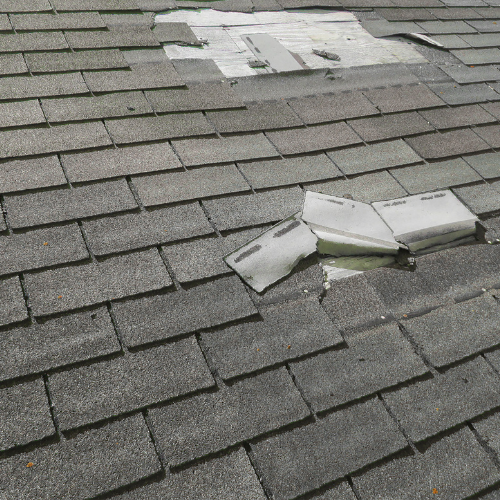
The storm has passed. The sky is clearing, the hail has stopped bouncing off your driveway, and everything looks roughly the same as it did this morning. This is where Oklahoma homeowners most often make a costly mistake: they assume that because nothing looks obviously catastrophic, nothing is seriously wrong. Hail damage to asphalt shingle roofing is frequently invisible from the ground. By the time it becomes visible — interior leaks, granule-stripped shingles, premature deterioration — weeks or months have passed, and the insurance claim window may have complicated your situation considerably.
The first 24–48 hours after a hail storm matter more than most homeowners realize. This guide tells you exactly what to do, in order, and why each step matters.
Why the Clock Starts Immediately
Oklahoma homeowners’ insurance policies typically allow one year to file a storm damage claim, which sounds like plenty of time. But the practical reality compresses that window substantially. The longer you wait, the harder it becomes to establish that the damage occurred in a specific storm event. Adjusters become skeptical of claims filed months after a storm. Other weather events in the interim can complicate what caused what. And after a major hail event, legitimate roofing contractors are booked out for weeks — homeowners who move quickly get better scheduling and more options.
Oklahoma is one of the most hail-active states in the country. The NOAA Storm Prediction Center consistently tracks the OKC metro as among the highest-risk regions in the nation for large hail events. This is not abstract risk — significant hail falls on the OKC metro multiple times per spring season. If you are reading this after a storm, assume your roof needs a professional inspection until proven otherwise.
Step 1: Stay Safe — Do Not Climb on the Roof
Do not climb onto your roof immediately after a storm. Wet shingles are dangerously slippery. Hail-damaged shingles may be structurally compromised in ways that are not visible. Evening or night conditions after a spring storm make roof walking particularly hazardous.
Instead, walk the perimeter of your property from the ground and look for the most visible indicators of hail impact:
- Dented gutters and downspouts — metal gutters show hail impacts clearly and visibly. Multiple dents in a pattern up the length of a gutter run indicate hail, not debris. The size of the dents roughly indicates hailstone size.
- Dented AC condenser fins — the aluminum fins of an outdoor air conditioning condenser are extremely sensitive to hail impact. Bent or flattened fins on the top and exposed sides of the unit are a near-certain indicator that the storm dropped enough hail to damage your roof.
- Granule accumulation in gutters — if gutters contain a heavy deposit of dark, gritty granules (like coarse sand), those are asphalt shingle granules dislodged by hail impact.
- Damaged window screens — screens with small circular holes or tears indicate the hailstone size that impacted your property. A dime-size hole means approximately 3/4-inch hail; a quarter-size hole means approximately 1-inch hail. Document these.
- Soft metal damage — dents on wood deck railings, painted surfaces, or fascia boards confirm hail size and coverage density.
The AC condenser and gutters together are your most reliable ground-level indicators. Insurance adjusters know this too — when they arrive, they will look at these same surfaces to verify the hail event. Your documentation of these items immediately after the storm establishes the timeline.
Step 2: Document Everything With Your Phone
Modern smartphone cameras embed a timestamp and often GPS coordinates in every photo automatically. This metadata is useful evidence. Photograph the following within the first several hours of the storm:
- Dented gutters — multiple close-up shots showing impact pattern and approximate dent size
- Dented or visibly damaged AC condenser
- Any window screens with hail holes (photograph alongside a coin for size reference)
- Any dented metal flashing, skylights, or vents visible from ground level
- Any visible shingle displacement or damage observable from the ground
- A shot of the current date and time on your phone screen alongside any damaged surface
Store these photos in a location you will not accidentally delete them from. Email them to yourself as a backup.
Step 3: Confirm the Storm Event Through Official Records
The National Weather Service Norman office maintains public records of every significant weather event across the Oklahoma City forecast area, including reported hail size, storm path, and timing. Search for your storm event and note the report. This official record establishes that a documented hail event occurred in your area on a specific date and confirms the reported hailstone size. Insurance companies know about these records; you should reference them when opening your claim.
Screenshot or print the relevant NWS storm report and keep it with your other documentation.
Step 4: Call Your Insurance Company and Open the Claim
You do not need to know the full scope of damage to open a claim. Call your insurer, provide the date of the storm event, describe the visible damage you documented (dented gutters, AC condenser damage, suspected roof damage), and state that you are reporting suspected storm damage from the event on that date. The claim number you receive establishes your timeline.
Important: opening a claim does not commit you to filing it. If the final inspection determines damage falls below your deductible, you can withdraw the claim without penalty in most cases. The risk of waiting — missing your optimal documentation window, getting caught in a backlog of claims after a major event — is far greater than the risk of opening a claim you may not end up filing.
Ask the insurer: What is your timeline for assigning an adjuster? What documentation do you need from me? When does my policy’s claim filing window expire?
Step 5: Schedule a Professional Roof Inspection
Call Wilson & Sons for a free hail damage inspection. A licensed roofing contractor walks your roof, photographs every area of impact damage, assesses the scope of loss, and provides you with a written inspection report. This report serves several important functions:
- It gives you an independent, professional assessment of actual damage before the insurance adjuster arrives
- It provides detailed documentation you can submit to support your claim
- It prepares you to have an informed conversation with your adjuster about what was damaged and what proper repair or replacement requires
The inspection is free and carries no obligation.
The Adjuster Visit: What to Know Before They Arrive
Your insurance company will assign an adjuster to inspect your property. Here is how to maximize that visit:
Be Present
Adjusters are professionals doing their job, but they are handling dozens of claims after a major storm event. Having you present — with your documentation folder, your contractor’s inspection report, and someone who can answer questions — is significantly better than giving them access to an empty house.
Have Your Contractor Present If Possible
You are entitled to have your roofing contractor present during or available for the adjuster visit. A contractor who has already walked your roof and documented the damage can point out specific areas the adjuster might otherwise miss — particularly on complex roof geometries with multiple valleys, dormers, or low-slope sections where damage can be less immediately obvious. This is legal, appropriate, and in your best interest.
Understand the Scope of Loss Document
After the adjuster visit, your insurer will issue a Scope of Loss document that itemizes what they found and what they are willing to pay for. Review this carefully against your contractor’s inspection report. If items are missing — a section of damaged roof not included, gutters not captured, ridge cap not mentioned — bring those discrepancies to your contractor.
What “Supplementing” a Claim Means
When a contractor reviews the insurer’s scope of loss and identifies damage that was missed or line items that were undervalued, they can submit a supplement to the claim — essentially a formal request to include the missing items. This is a standard, legal part of the insurance claims process. It is not fraud, it is not confrontational, and experienced adjusters expect it after complex storm damage inspections.
Supplements commonly include: missed roof sections, code-required upgrades that must be performed during replacement, damaged gutters or downspouts not captured in the initial scope, and labor/material cost adjustments for items priced below actual market rates in the initial estimate.
What Wilson & Sons does: We review the insurer’s scope of loss document against our own inspection findings. If items are missing, we prepare and submit the supplement documentation. This is a service we provide as part of our insurance claims support process — not a separate charge.
Red Flags: What to Avoid After a Hail Storm
Oklahoma’s spring storm season brings a reliable wave of out-of-state and unlicensed contractors who target neighborhoods known to have been hit. Recognizing the patterns can protect you from a costly mistake.
Storm Chasers Knocking on Your Door
After every major hail event in the OKC metro, crews descend on affected neighborhoods within 24–48 hours, knock on doors, and offer to inspect your roof immediately and often to “handle your insurance claim for you.” The pressure to sign immediately — often before you have had any independent verification of what the damage actually is — is a red flag. Legitimate local contractors do not need to solicit door-to-door the morning after a storm.
Contractors Who Offer to Waive Your Deductible
This is illegal in Oklahoma. Oklahoma statute prohibits roofing contractors from waiving, absorbing, or rebating a homeowner’s insurance deductible. Any contractor who offers to “cover your deductible” is either inflating the scope to absorb it (insurance fraud) or simply lying to get the contract. Either outcome is bad for you.
Assignment of Benefits Forms
An Assignment of Benefits (AOB) form transfers your insurance claim rights to the contractor. Read any document you are asked to sign very carefully before signing. You should understand exactly what authority you are granting before you give it. When in doubt, ask your insurance company or an attorney before signing.
After Your Claim Is Approved: Next Steps
Once the insurer issues an Approved Scope of Loss and a payment, you are ready to schedule the work. A few recommendations:
- Obtain at least 2–3 estimates from licensed Oklahoma CIB contractors before signing
- Verify the license number of any contractor you are considering
- Confirm your chosen contractor will pull the required permits
- Ask whether your replacement shingles will qualify for the insurer’s extended warranty program if impact-resistant shingles are an option
Wilson & Sons handles storm damage repair and full replacement throughout the OKC metro. We are licensed, local, and experienced with the full insurance claims process from free inspection through completed installation. Our residential roofing services include IKO premium shingle products with manufacturer warranty coverage.
Frequently Asked Questions: After a Hail Storm in Oklahoma
How soon after a hail storm should I call my insurance company?
Within 24–48 hours of the storm is ideal. You do not need a complete damage assessment to open a claim — simply report the storm date, describe the visible evidence of impact (dented gutters, AC condenser damage), and get a claim number. Opening the claim promptly establishes your timeline and gets you into the adjuster queue before backlogs build after a major storm event. Most Oklahoma policies allow one year to file, but earlier action preserves your documentation advantage.
My gutters are dented but my roof looks fine from the ground. Do I still need an inspection?
Yes, absolutely. Hail damage to asphalt shingles is almost never visible from the ground. The damage — bruising, granule displacement, cracking of the shingle mat — occurs on the surface of the shingles and is only detectable by walking the roof with trained eyes. Dented gutters are evidence that hail struck your property with sufficient force to damage metal; the same hail almost certainly impacted your shingles. Ground-level inspection is a starting point, not a conclusion.
Can I just patch the damage instead of replacing the whole roof?
Sometimes, but hail damage is typically distributed across the entire surface that was exposed to the storm — not just in visible spots. A patch addresses a symptom, not the full scope. If an adjuster determines the hail event caused sufficient damage to warrant full replacement, the insurance settlement covers that; a patch does not. Your contractor’s inspection and your adjuster’s assessment together will determine the appropriate scope. In many OKC storm events, full replacement is the outcome because hail damage is widespread across the entire roof plane.
What if I had hail damage but I didn’t find out until months later?
Most Oklahoma homeowner’s insurance policies allow one year from the date of the storm event to file a claim. If you discover damage that appears consistent with a specific storm, you can still open a claim — but document everything carefully, use the NWS Norman storm records to confirm the event date, and have a licensed contractor provide a professional inspection report. Claims filed significantly after a storm event face more scrutiny, so the quality of your documentation matters more, not less.
Is a contractor being present during my adjuster visit actually helpful or just a sales tactic?
It is genuinely helpful for the homeowner. Insurance adjusters after a major storm event are handling high claim volumes and move quickly. A roofing contractor who has already walked your specific roof and identified every damaged area can point the adjuster to specific damage that might otherwise be missed on a quick inspection — particularly on complex roofs with multiple angles, dormers, and low-slope sections. This protects your interests and typically results in a more complete scope of loss. It is your legal right to have your contractor present, and we encourage it.
Storm Hit Your Neighborhood? Get a Free Hail Damage Inspection Today.
Wilson & Sons provides free, no-obligation hail damage inspections throughout the OKC metro. We document the damage, support the insurance process, and give you an honest assessment of what your roof needs.